Configurazione di Internet e televisione
23 min di lettura
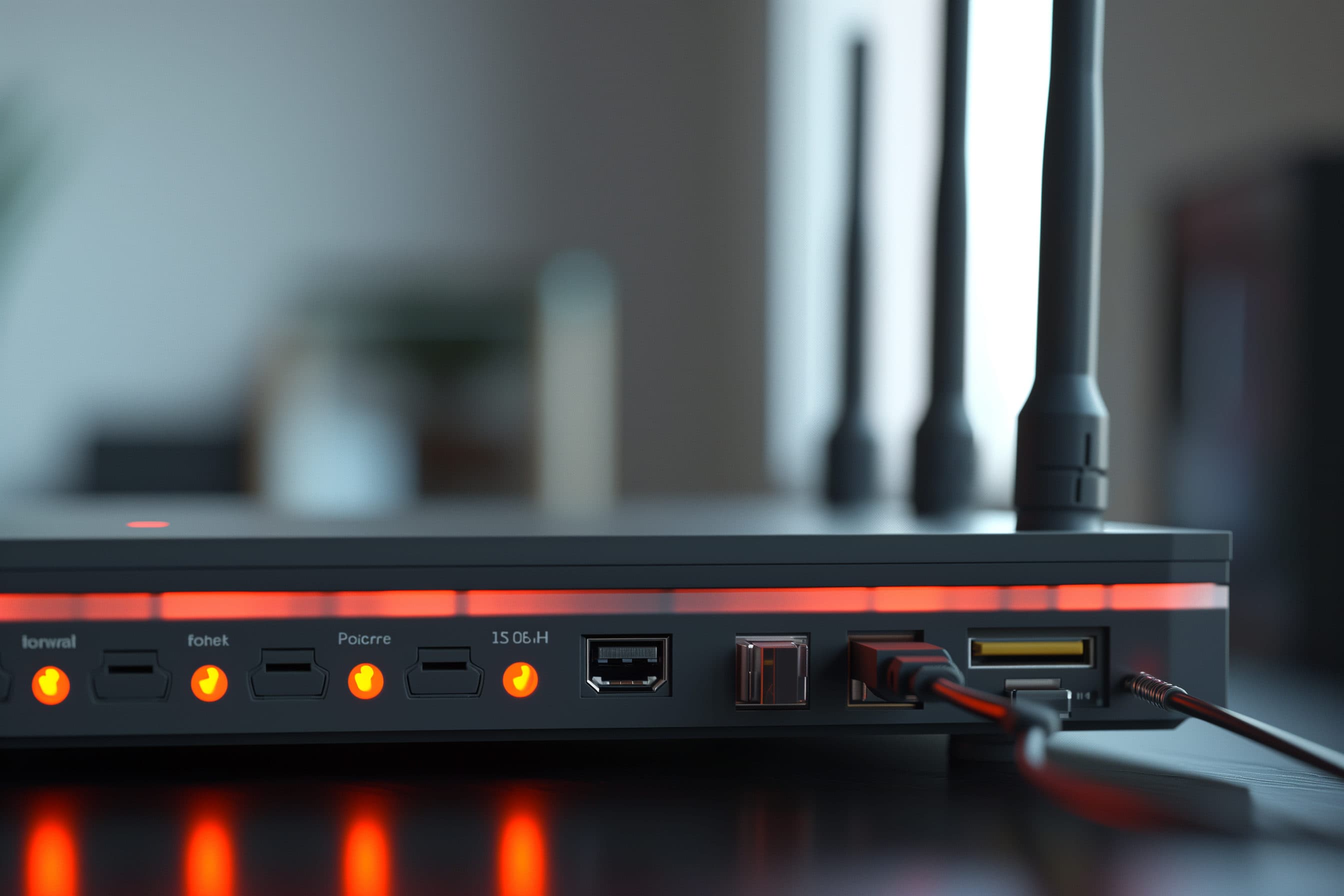
Attivare internet e la televisione in Germania comporta due problemi che si contrappongono. Il primo è che il mercato è insolitamente ostile a chi arriva per la prima volta: la linea potrebbe non esistere, l'attesa si misura in settimane, la verifica del credito presuppone una storia creditizia che non si possiede e il contratto è studiato per fidelizzare il cliente. Il secondo problema è che la legislazione tedesca in materia di telecomunicazioni è insolitamente protettiva, a tal punto da sorprendere persino i tedeschi stessi. È possibile ottenere una riduzione della bolletta se la velocità non è adeguata. Si può richiedere un rimborso per un tecnico che non si presenta. Si può recedere dal contratto se il prezzo aumenta. È proprio in questo spazio tra queste due realtà che si inserisce il tema di questo capitolo.
Questo capitolo parla di come connettersi e non rimanere intrappolati. Tratta di cosa si trova fisicamente all'interno della tua abitazione e perché questo influisca su tutto, di come ottenere un contratto senza una storia creditizia in Germania, di cosa ti garantisce effettivamente la legge tedesca sulle telecomunicazioni (TKG) e di cosa è successo alla televisione con il cambio di normativa nel 2024. Non ti dirà quale fornitore è il migliore, perché questo dipende interamente dal tuo indirizzo, e qualsiasi elenco delle migliori offerte sarebbe obsoleto entro un anno.
Internet e la televisione cambiano cose di cui nessuno ti aveva parlato
Se siete arrivati dopo la metà del 2024, avete ereditato un mondo diverso da quello descritto dai vostri colleghi e i loro consigli sono ormai obsoleti. Fino al 30 giugno 2024, la maggior parte degli inquilini tedeschi aveva la televisione via cavo inclusa nell'affitto. Il proprietario stipulava un unico contratto per l'intero edificio e il canone mensile veniva addebitato insieme all'affitto, ovvero alle spese accessorie. La televisione era semplicemente disponibile e la si pagava a prescindere dal possesso di un televisore. Questo accordo era noto come Nebenkostenprivileg, il privilegio delle spese accessorie.
È terminato il 1° luglio 2024. In base al Betriebskostenverordnung (BetrKV, l'ordinanza sui costi operativi), le tariffe mensili di base per una connessione televisiva o a banda larga non sono più imputabili tramite i Nebenkosten. I proprietari di immobili in tutta la Germania hanno dovuto convertire questi contratti di locazione in contratti individuali o eliminarli del tutto. Il nostro capitolo su comprendere i servizi di pubblica utilità Il documento illustra la Nebenkostenabrechnung stessa e la sua collocazione all'interno dell'ordinanza, quindi consultatelo se volete sapere se il vostro estratto conto addebita qualcosa che non dovrebbe.
Ciò che conta qui è la conseguenza pratica, e si tratta di un vero e proprio cambiamento nella vostra posizione. La televisione ora è una vostra decisione e la bolletta è vostra. Se volete la TV via cavo, sottoscrivete un abbonamento. Se non la volete, non pagate nulla e non guardate nulla, il che per molte persone è la soluzione ideale. La Bundesnetzagentur, l'autorità federale di regolamentazione delle telecomunicazioni, sottolinea tre punti importanti. Il costo di gestione di un'antenna condivisa o di un sistema di distribuzione in un edificio può ancora essere addebitato come costo di esercizio, quindi una piccola spesa per l'installazione fisica non è automaticamente errata. Il Glasfaserbereitstellungsentgelt, il canone per il sistema di distribuzione in fibra ottica all'interno dell'edificio, è limitato a 60 euro all'anno e a 540 euro in totale per unità abitativa, e può essere addebitato solo se avete la libertà di scegliere il vostro fornitore per quella connessione. E se il vostro locatore vi fornisce ancora la televisione, legalmente agisce come un fornitore di servizi di telecomunicazione ed è vincolato dalle norme di tutela dei consumatori della TKG come chiunque altro. Potete interrompere la fornitura con un preavviso di un mese, a condizione che il vostro contratto di locazione sia in essere da almeno 24 mesi.
Cosa c'è davvero nel tuo muro?
Prima di confrontare le tariffe, è fondamentale comprendere le differenze che regolano le tempistiche. L'allacciamento alla rete elettrica (Hausanschluss) è il collegamento fisico che dalla strada raggiunge il vostro edificio. L'attivazione (aktivierung) è invece l'atto di attivare la fornitura di energia elettrica specifica per il vostro appartamento. Si tratta di due operazioni distinte, che si svolgono in momenti diversi e a volte sono gestite da compagnie diverse. Un nuovo inquilino che presume che la seconda operazione segua automaticamente la prima rischia di perdere settimane.
Un appartamento tedesco potrebbe non avere affatto una linea telefonica utilizzabile. L'edificio potrebbe avere un Hausanschluss (un tipo di connessione telefonica interna all'edificio), ma il vostro appartamento specifico non è mai stato collegato ad esso. La presa potrebbe esistere, ma essere stata scollegata molto tempo fa. Il precedente inquilino potrebbe essere stato collegato a una rete che non serve più quell'indirizzo. Negli edifici più vecchi, in quelli recentemente ristrutturati e in alcune nuove costruzioni in cui il costruttore ha scelto una determinata infrastruttura, ciò che si trova dietro il battiscopa è davvero imprevedibile. Cercate una presa TAE, la presa telefonica tedesca e una presa coassiale per la televisione, e considerate la loro assenza come un segnale importante, non come un dettaglio.
Informati bene prima di firmare. Chiedi al proprietario quali allacciamenti sono presenti nell'appartamento e quale fornitore li ha gestiti in precedenza. Chiedi al precedente inquilino se puoi contattarlo, perché lui sa cosa ha effettivamente funzionato, a differenza di quanto indicato nello schema elettrico. Verifica poi la disponibilità per il tuo indirizzo preciso, non per la via o il quartiere, perché in Germania la disponibilità viene valutata casa per casa. Quando effettui l'ordine, aspettati un appuntamento con un tecnico, che ti verrà offerto un intervallo di tempo piuttosto che un orario preciso, e che l'intero processo richiederà dalle due alle sei settimane in genere, e molto più tempo se sono necessari nuovi lavori. Pianifica tenendo conto di questi tempi, invece di scoprirli all'ultimo momento.
DSL, cavo e la verità sulla fibra
Tre tecnologie fisse si contendono il tuo appartamento, e la scelta di quale raggiungere non è una questione di preferenza. La DSL si basa sulla rete telefonica in rame, è la più diffusa e la sua velocità diminuisce man mano che ci si allontana dalla centrale, motivo per cui la stessa tariffa offre prestazioni diverse a due indirizzi nella stessa città. La connessione via cavo si basa sulla rete televisiva coassiale, è comune nelle città e nei condomini, è generalmente più veloce in download e condivide la capacità con i vicini, quindi le prestazioni possono calare nelle ore serali. La fibra ottica è la più veloce e affidabile, ed è quella in cui il marketing si è allontanato maggiormente dalla realtà.
Fate attenzione al termine "Glasfaser", perché viene usato in modo improprio. Quello che vi serve è la fibra ottica che arriva fino alla vostra abitazione, a volte indicata come FTTH (Fiber to the Home). Spesso, però, ciò che viene venduto come fibra ottica è in realtà un cavo che arriva fino a un armadio di distribuzione in strada, con un tratto in rame che copre l'ultimo punto fino al vostro appartamento. Inoltre, c'è una discrepanza tra l'indirizzo raggiunto dalla rete e quello effettivamente connesso, e un edificio può trovarsi su una strada servita dalla fibra per anni senza che un singolo appartamento sia attivo, perché il collegamento richiede il consenso del proprietario e lavori fisici nel seminterrato.
Piuttosto che citare una cifra di copertura nazionale che sarebbe obsoleta quando leggerete questo, controllate il vostro indirizzo nel Gigabitgrundbuch federale, il registro governativo atlante della banda larga, che mappa ciò che è disponibile dove. Consideralo come il punto di partenza e la verifica dell'indirizzo da parte del fornitore come la conferma. La Germania è indietro rispetto a gran parte dell'Europa per quanto riguarda la fibra, e l'aspettativa onesta per la maggior parte dei nuovi arrivati è di avere DSL o cavo a un indirizzo normale, con la fibra come piacevole sorpresa piuttosto che come impostazione predefinita. Separatamente, se ti trovi senza una connessione adeguata, esiste un diritto legale a una fornitura minima, che il nostro capitolo su impostazione delle utenze spiega anche le velocità minime attuali e la procedura per attivarle.
ottenere un contratto senza una storia creditizia tedesca
Quasi tutti i contratti di telefonia fissa e mobile in Germania prevedono un controllo Schufa. La Schufa è la principale agenzia di credito del paese e il problema per un nuovo arrivato non è un punteggio di credito basso, ma l'assenza di un punteggio. Non si ha una storia creditizia tedesca perché non si risiede nel paese da abbastanza tempo per crearne una, e un fascicolo vuoto viene interpretato da un sistema automatizzato come un rischio sconosciuto piuttosto che come una fedina penale pulita. Il risultato è un rifiuto, un'approvazione con un deposito o un'offerta di sola telefonia prepagata. Questo non è rivolto personalmente a te e discutere di equità non cambierà le cose. Il nostro capitolo su crediti e prestiti in Germania Spiega come funziona Schufa e come visualizzare il proprio file.
Le risposte pratiche sono semplici. Registra prima il tuo indirizzo, perché l'Anmeldung, la registrazione obbligatoria dell'indirizzo, e un conto corrente bancario tedesco sono i requisiti fondamentali per l'esistenza di una registrazione Schufa. Nel frattempo, usa una carta prepagata, che non richiede verifiche del credito né contratti. Se un fornitore offre un abbonamento mensile, accettalo anche se il prezzo è più basso, perché ti stai assicurando la possibilità di cambiare fornitore. E se la tua richiesta viene rifiutata, non presentare domanda a cinque fornitori in una settimana: ogni domanda può essere registrata e un insieme di richieste è peggio di una situazione iniziale in cui non c'è alcuna informazione utile. Aspetta, costruisci qualche mese di normale attività bancaria e poi riprova.
Mobile anziché fisso: qual è la vera risposta?
Considerando i tempi di installazione di una linea fissa in Germania, la connessione internet mobile merita di essere considerata una valida alternativa, piuttosto che un ripiego temporaneo in attesa dell'arrivo della connessione definitiva. Le reti mobili tedesche sono efficienti nelle città, un piano dati o un piano tariffario illimitato sono sufficienti per una famiglia media, incluse videochiamate e streaming, e un router 5G per un intero appartamento è ormai una realtà consolidata. Per una persona single o una coppia in città, la connessione solo mobile può essere la soluzione ideale, e per chi si trova in trasferta per brevi periodi, permette di evitare un vincolo contrattuale di 24 mesi per un appartamento che si lascerà.
È importante essere onesti sui limiti. Le prestazioni della rete mobile dipendono dalla cella di trasmissione e dall'orario, e questo si nota soprattutto nelle serate più affollate in zone densamente popolate. Alcune tariffe rallentano la connessione dopo una determinata soglia di dati, mentre altre limitano o escludono l'uso del router. I giochi online e i caricamenti di file di grandi dimensioni risentono della latenza. Ma i vostri diritti vi seguono ovunque: dal 20 aprile 2026, l'Agenzia federale per le telecomunicazioni (Bundesnetzagentur) ha istituito una procedura di verifica separata per la connessione internet mobile, nell'ambito della propria procedura generale (Allgemeinverfügung), che consente di misurare e contestare una connessione mobile che non raggiunge le prestazioni desiderate, proprio come per una connessione fissa, utilizzando l'app mobile dell'autorità di regolamentazione anziché quella per computer descritta di seguito.
Il contratto e come ti vincola
La legge qui è migliore della sua reputazione, e il motivo per cui i lettori non ne beneficiano è che i fornitori non la pubblicizzano. La regola stessa appartiene a noi impostazione delle utenze capitolo, che stabilisce il §56 TKG: un periodo iniziale non può superare i 24 mesi e, una volta scaduto tale periodo, è possibile recedere in qualsiasi momento con un preavviso di un mese. Ciò che conta in questo capitolo è la prassi, perché la prassi non si è ancora adeguata alla legge.
I fornitori continuano a proporre contratti di 24 mesi. Questo è legale, ma l'articolo 56(1) della legge tedesca sui contratti di locazione (TKG) li obbliga anche a offrire un contratto con una durata iniziale non superiore a dodici mesi prima della firma. Questa opzione è reale e vincolante, e quasi mai è presente nella pagina iniziale del contratto. Spesso bisogna richiederla esplicitamente e di solito ha un costo mensile maggiore. Per chiunque abbia una permanenza in Germania incerta, la differenza di prezzo è spesso giustificata, perché l'alternativa è pagare un contratto per un appartamento in cui non si vive più.
La trappola più comune è il rinnovo automatico del contratto (Vertragsverlängerung), e la Verbraucherzentrale, l'organizzazione per la tutela dei consumatori, ha ripetutamente messo in guardia contro le tattiche che lo riguardano. Il contratto si rinnova silenziosamente a meno che non si intervenga. La legge impone al fornitore di avvisare il cliente tramite un Daenträger, un supporto durevole, prima che il rinnovo abbia effetto, informandolo della possibilità di impedirlo e di recedere successivamente. In pratica, tale avviso arriva tramite una delle tante email o all'interno di un portale che non si consulta. Annotatevi la data di firma del contratto. Ricordate inoltre che, in caso di recesso ai sensi dell'articolo 56(3), non è previsto alcun costo per il cliente e, se il contratto viene rescisso anticipatamente in modo lecito, il fornitore può addebitare solo il costo delle apparecchiature trattenute, fino al limite del loro valore residuo concordato.
Ci sono due disposizioni che quasi nessuno utilizza, ma che vale la pena conoscere. Ai sensi dell'articolo 57(1) della legge tedesca sui servizi di telecomunicazione (TKG), se il fornitore modifica unilateralmente le condizioni del contratto, è possibile recedere senza preavviso e senza costi entro tre mesi dalla debita comunicazione. Un aumento di prezzo è proprio questo: non è motivo di lamentele, è il diritto di recesso, e la lettera di preavviso è ciò che apre la porta. Inoltre, l'articolo 57(3) della TKG obbliga i fornitori a comunicare, almeno una volta all'anno, quale delle loro tariffe sia effettivamente la più conveniente in base ai consumi dell'utente. Pochissimi clienti hanno mai ricevuto tale comunicazione. Chiedetela.
Quando la velocità non è quella che ti aspettavi
Questo è il diritto più importante del capitolo e il meno utilizzato. Ai sensi del §57(4) TKG, qualora vi sia una discrepanza significativa, continua o regolarmente ricorrente tra la velocità effettivamente ricevuta e quella dichiarata dal fornitore, è possibile ridurre il canone mensile in proporzione alla differenza e recedere dal contratto senza preavviso. La riduzione è un diritto previsto dalla legge, non un gesto di buona volontà, e un dettaglio la rende particolarmente forte: una volta accertata la discrepanza, il §57(4) mantiene in vigore il diritto alla riduzione fino a quando il fornitore non dimostri di aver fornito il servizio correttamente. L'onere della prova ricade sul fornitore.
La condizione è la prova, e ne conta solo una. La deviazione deve essere dimostrata con una procedura di misurazione fornita o certificata dalla Bundesnetzagentur, che per una linea fissa significa l'applicazione desktop Breitbandmessung dell'ente regolatore. Uno screenshot da un sito web di speed test è inutile in questo caso. Il protocollo è preciso e un errore compromette l'intera campagna: 30 misurazioni entro 14 giorni dall'inizio, distribuite su tre giorni di calendario diversi con almeno un giorno di calendario di intervallo tra di esse, dieci misurazioni al giorno, a distanza di almeno cinque minuti l'una dall'altra, e con un intervallo di almeno tre ore tra la quinta e la sesta misurazione di ogni giorno. Le regole sono integrate nell'applicazione, quindi in pratica basta seguire le sue istruzioni e l'applicazione impone il rispetto delle tempistiche.
Ciò che viene considerato un deficit è definito, non oggetto di discussione. Il tuo Produktinformationsblatt, il foglio informativo sul prodotto che il fornitore deve consegnarti prima della firma, indica tre valori per il download e l'upload: una velocità minima, una velocità normalmente disponibile e una velocità massima. Conserva questo documento, perché è il parametro di riferimento. Si verifica una deviazione valida se si verifica una delle seguenti tre condizioni: il 90% della velocità massima concordata non viene raggiunto almeno una volta in almeno due dei tre giorni di misurazione; oppure la velocità normalmente disponibile non viene raggiunta nel 90% di tutte le misurazioni; oppure la velocità minima viene superata almeno una volta in almeno due dei tre giorni. Anche una sola di queste tre condizioni, in entrambe le direzioni del traffico, è sufficiente. Al termine, l'applicazione genera un Messprotokoll, un rapporto di misurazione, che è il documento da inviare al fornitore.
Bisogna quindi essere realistici riguardo a ciò che seguirà. La Bundesnetzagentur non impone la riduzione individuale; definisce i criteri e offre una Schlichtung, una procedura di conciliazione, qualora il fornitore non sia disposto a collaborare. La legge stabilisce che la riduzione debba essere proporzionale al disservizio, ma non fissa l'importo, quindi la somma è negoziabile e dipende da quanto gravemente il proprio utilizzo è stato compromesso. Un cliente con un protocollo certificato che cita il §57 TKG si trova comunque in una situazione completamente diversa rispetto a un cliente che afferma che internet è lento.
Guasti, appuntamenti mancati e denaro contante effettivo
La legge tedesca prevede un costo per il tempo perso a causa del fornitore di servizi, e gli importi sono specifici. Ai sensi dell'articolo 58 del TKG (Legge tedesca sui servizi di telecomunicazione), è possibile richiedere che un guasto (Störung) venga riparato immediatamente e gratuitamente, a meno che non sia stato causato da voi. Il fornitore è tenuto a documentare la segnalazione del guasto e, se non è in grado di risolvere il problema entro un giorno di calendario, deve comunicarvi entro il giorno successivo quali interventi sta effettuando e quando prevede che il guasto venga eliminato.
Se il guasto non viene risolto entro due giorni di calendario dalla segnalazione, inizia il diritto al risarcimento. Dal giorno successivo, per ogni giorno di interruzione totale del servizio, è possibile richiedere un risarcimento di 5 euro o il 10% del canone mensile per il terzo e il quarto giorno, e di 10 euro o il 20% dal quinto giorno, a seconda di quale importo sia maggiore in ciascun caso. Se un tecnico non si presenta a un appuntamento concordato per un intervento di assistenza o installazione, ha diritto a un risarcimento di 10 euro o il 20% del canone mensile, a seconda di quale importo sia maggiore, per ogni appuntamento mancato. Si tratta di diritti previsti dalla legge, non di reclami, e vanno richiesti direttamente al fornitore. Le eccezioni sono limitate: non è possibile richiedere un risarcimento se il guasto o la sua persistenza sono stati causati da voi, o se l'interruzione è dovuta a forza maggiore o a un provvedimento di legge. Qualora un guasto comporti sia una riduzione ai sensi dell'art. 57 sia un risarcimento ai sensi dell'art. 58, i due importi vengono compensati anziché sommati.
Cambio di fornitore e trasloco
Il cambio di fornitore viene gestito dal nuovo operatore, non da voi, e questo è voluto. Ai sensi dell'articolo 59 del TKG (Tamil Nadu Government Act), il fornitore uscente e quello uscente devono collaborare, non devono ritardare o abusare del cambio e non devono lasciarvi senza servizio. Richiedete il cambio tramite il nuovo operatore e lasciate che sia lui a disdire il vecchio contratto; fare entrambe le cose da soli è il modo in cui le persone si ritrovano con due contratti o senza alcun contratto.
La regola principale merita di essere precisata perché viene spesso ripetuta in modo errato. Il servizio non può essere interrotto per più di un giorno lavorativo. Si intende un giorno lavorativo (Arbeitstag), non un giorno di calendario, quindi un cambio di operatore effettuato di venerdì può legittimamente protrarsi per tutto il fine settimana. Se l'interruzione si protrae oltre, l'articolo 59(4) della legge tedesca sui servizi di telecomunicazione (TKG) prevede un indennizzo di 10 euro o il 20% del canone mensile, a seconda di quale dei due importi sia maggiore, per ogni ulteriore giorno lavorativo. Attenzione a chi paga: l'indennizzo è dovuto dal fornitore che state lasciando, non da quello a cui vi state rivolgendo. Un appuntamento mancato durante un cambio di operatore è a carico del fornitore che non si è presentato. Esiste anche una disposizione meno nota ma comunque utile: se il cambio di operatore viene ritardato per cause non imputabili a voi, i costi di attivazione del vecchio fornitore si dimezzano dopo la scadenza del contratto. Mantenere il proprio numero è gratuito, non comporta alcun costo e potete richiederlo fino a un mese dopo la scadenza del contratto, anche se non dovreste mai fare affidamento su questo margine. La portabilità dei dati fallisce più spesso a causa di dati non corrispondenti che per problemi tecnici, quindi assicurati che nome, indirizzo e data di nascita siano identici presso entrambi i fornitori.
Il trasloco è regolato dall'articolo 60 del TKG (Codice di condotta professionale turco), ed è qui che un'errata convinzione comune smentisce. Non si ha automaticamente diritto alla disdetta solo perché ci si è trasferiti. Se il fornitore offre il servizio al nuovo indirizzo, è tenuto a rinnovare il contratto alle stesse condizioni per la durata residua e può addebitare una tariffa di trasloco, il cui importo massimo è pari alla tariffa applicata per una nuova attivazione. Solo nel caso in cui il fornitore non sia in grado di fornire il servizio al nuovo indirizzo è possibile recedere dal contratto, con un preavviso di un mese, a partire dalla data del trasloco o da una data successiva. Se l'attivazione al nuovo indirizzo avviene in ritardo, si applicano anche in questo caso le norme relative al risarcimento per colpa e cambio fornitore. Pertanto, la tariffa di trasloco è legittima e la soluzione a un contratto di 24 mesi non è un trasloco nella speranza di liberarsi dagli obblighi contrattuali, bensì un contratto iniziale di durata inferiore.
Pacchetti internet e TV, streaming e cosa puoi evitare
Iniziate dalla parte che non scegliete. Il Rundfunkbeitrag, il contributo radiotelevisivo che finanzia ARD, ZDF e Deutschlandradio, è dovuto per ogni abitazione indipendentemente da ciò che possedete o guardate, e non è televisione nel senso di questo capitolo. impostazione delle utenze Il capitolo precedente spiega l'importo, come la fattura ti viene addebitata e le possibili esenzioni, quindi questo capitolo non ripeterà tali informazioni. Nessuna delle decisioni prese di seguito ridurrà l'importo.
Tutto il resto è ora veramente facoltativo, che è il significato pratico del cambiamento del 2024. La ricezione satellitare offre i canali gratuiti tedeschi senza canone mensile una volta installata la parabola, ed è la soluzione standard per le famiglie che desiderano anche i canali internazionali, sebbene sia necessario il permesso del proprietario di casa per l'installazione della parabola. Il DVB-T2 offre la ricezione terrestre tramite antenna, con i canali pubblici gratuiti e quelli privati a pagamento. L'IPTV offre la televisione tramite la connessione internet ed è ciò che la maggior parte dei pacchetti offerti dai provider intende ora per televisione. La TV via cavo rimane invariata, con la differenza che ora è necessario sottoscrivere un abbonamento. Se si dispone già di una buona connessione internet, la risposta onesta per molte famiglie è che non hanno bisogno di alcun servizio televisivo.
Lo streaming offre il mix che la maggior parte dei nuovi utenti desidera, e oltre alle piattaforme internazionali, i servizi tedeschi Joyn e RTL+ trasmettono le emittenti nazionali in diretta e on demand, il che è utile sia per le notizie che per esercitarsi con la lingua. Conviene fare un calcolo preciso piuttosto che affidarsi all'istinto: un pacchetto televisivo incluso nel contratto internet è spesso scontato inizialmente e poi viene applicato al prezzo normale, quindi è meglio confrontare il costo totale per l'intera durata del contratto e non solo il prezzo del primo anno.
Un recente sviluppo rafforza la tua posizione. Il 9 luglio 2026 la Corte di Giustizia Europea ha stabilito, nella causa C-234/25, intentata contro Sky e la sua piattaforma WOW, che un fornitore di streaming non può escludere categoricamente il diritto di recesso di 14 giorni quando la sua offerta personalizza i contenuti per il singolo spettatore. Il ragionamento della Corte è stato che un catalogo personalizzato e in continua evoluzione è qualcosa che non si può valutare adeguatamente prima di pagare, quindi è necessario conservare il diritto di recesso. Non si tratta di una prova gratuita: se si recede dopo aver guardato, si è tenuti a pagare un importo ragionevole per ciò che si è utilizzato. Il nostro articolo di notizie su Sentenza della Corte di giustizia dell'UE sui diritti di recesso dallo streaming. Contiene tutti i dettagli. Se ti sei iscritto per una sola partita o una sola stagione e te ne sei subito pentito, vale la pena leggerlo prima di accettare un eventuale rifiuto.
Quattordici giorni online, niente in negozio
Il diritto di recesso (Widerrufsrecht) è la più forte tutela per i consumatori, ma presenta un limite che spesso crea problemi. Ai sensi dell'articolo 312g del Codice Civile tedesco (BGB), si hanno 14 giorni di tempo per recedere da un contratto a distanza (Frenabsatzvertrag), concluso online, per telefono o per posta, e da un contratto concluso al di fuori dei locali commerciali, che comprende il venditore porta a porta o il promotore che vi ferma per strada. Il recesso è più forte della cancellazione perché annulla il contratto retroattivamente, anziché porvi fine con effetto immediato.
Non si applica a un contratto firmato all'interno di un negozio del fornitore. Un negozio non è né una vendita a distanza né una vendita fuori dai locali, quindi il diritto di recesso legale semplicemente non si applica in quel caso, e nulla del fatto che l'accordo sia inadeguato cambia questo fatto. Questo è l'opposto di ciò che molti nuovi clienti presumono, ed è un motivo per firmare online piuttosto che in una filiale quando le condizioni sono altrimenti le stesse. Vale la pena ricordare una piccola eccezione: se sei stato avvicinato personalmente all'esterno e portato nel negozio per firmare, questo conta comunque come un contratto fuori dai locali e il diritto si ripristina. Il nostro capitolo su leggi sulla protezione dei consumatori copre il quadro più ampio. Tieni d'occhio anche l'orologio: i 14 giorni decorrono dalla stipula del contratto, quindi il ripensamento deve essere tempestivo.
Strumenti che aiutano con le pratiche burocratiche
Werkzeu.ge, una raccolta di strumenti per la burocrazia tedesca basata su browser, è stata creata da Cryon UG, la società che ha sviluppato WeLiveIn.de. Uno dei suoi strumenti si adatta perfettamente a questo capitolo. Lettera di dimissioni Questo generatore, gratuito e utilizzabile anche senza registrazione, produce una lettera di recesso per i contratti di consumo e copre 30 tipologie di contratto in otto categorie, tra cui quella delle telecomunicazioni. Conosce la normativa TKG post-2021, anziché presumere che ogni contratto richieda un preavviso di tre mesi, e calcola quindi la data effettiva di scadenza del tuo contratto di telefonia mobile o internet. La sua funzione più utile è la prima analisi preliminare: se il contratto è stato stipulato online o telefonicamente e sono trascorsi meno di 14 giorni, segnala la probabilità di avere diritto di recesso ai sensi dell'articolo 355 del Codice Civile tedesco (BGB) e suggerisce di recedere dal contratto anziché recedere, ovvero la distinzione descritta nella sezione precedente e spesso fraintesa.
Se il tuo problema è ricordare piuttosto che scrivere, il Fristenwächter è una dashboard delle scadenze che raccoglie le scadenze contrattuali e ufficiali in un unico posto e te le ricorda in anticipo, con la data di cancellazione di un contratto mobile tra i casi che nomina. È uno strumento Plus, quindi si trova dietro al livello a pagamento; i termini attuali sono sul Pagina dei prezzi di Werkzeu.gee il piano gratuito contiene pubblicità. Si prega di tenere presente i limiti, che la piattaforma stessa dichiara: è in versione beta fino al 30 novembre 2026 e gli strumenti potrebbero essere incompleti, i dati inseriti dagli ospiti rimangono sul dispositivo, ma qualsiasi informazione relativa a email o archiviazione viene inviata al server, e nulla di quanto presente costituisce consulenza legale. Una lettera generata è una lettera ben formata, non un parere legale sulla controversia. Per una controversia con un fornitore che sta andando male, le vie legali più efficaci sono la Verbraucherzentrale e la procedura di conciliazione della Bundesnetzagentur.
Cosa fare nelle prime settimane
Procedi in quest'ordine. Prima di firmare qualsiasi documento, verifica la disponibilità al tuo indirizzo specifico e chiedi al proprietario di casa quali connessioni sono effettivamente presenti nell'appartamento, perché questa singola domanda è più importante di qualsiasi confronto tra tariffe per determinare le tempistiche. Quindi, colma il divario in modo consapevole e non casuale: attiva una tariffa mobile prepagata o un router 5G per le quattro-otto settimane di cui una linea fissa ha realisticamente bisogno, e una volta che il servizio è attivo, decidi se hai ancora bisogno della linea fissa.
Quando firmi il contratto, chiedi esplicitamente l'opzione di dodici mesi che l'articolo 56(1) della legge tedesca sulla protezione dei consumatori (TKG) impone al fornitore di offrire e valuta il costo mensile aggiuntivo rispetto alla reale possibilità di cambiare fornitore entro due anni. Conserva il Produktinformationsblatt non appena lo ricevi, perché senza di esso non potrai dimostrare in seguito un'eventuale riduzione della velocità. Segna sul calendario la data di scadenza del contratto lo stesso giorno, con un promemoria un mese prima, e considera qualsiasi lettera che annunci un aumento di prezzo come un periodo di tre mesi per recedere dal contratto ai sensi dell'articolo 57(1) della TKG, piuttosto che come una cattiva notizia.
Se la connessione non funziona correttamente, non lamentatevi per telefono. Scaricate l'app desktop Breitbandmessung della Bundesnetzagentur, eseguite correttamente l'intera campagna per tre giorni e inviate il Messprotokoll con una richiesta scritta citando il §57 TKG. Se un tecnico non si presenta all'appuntamento o se un guasto si protrae per più di due giorni, richiedete il risarcimento per iscritto anziché aspettare che vi venga offerto, perché non vi verrà concesso. E quando finalmente cambierete fornitore, lasciate che sia il nuovo fornitore a effettuare la procedura, verificate che il vostro nome e indirizzo corrispondano esattamente a entrambi e ricordate che più di un giorno lavorativo senza servizio è a carico del vecchio fornitore, non della vostra sfortuna.
fonti
Le informazioni contenute in questo capitolo si basano sulle fonti e pubblicazioni ufficiali elencate di seguito, aggiornate a luglio 2026. Si tratta di linee guida generali a scopo orientativo, non di consulenza legale, fiscale o medica personalizzata.
Questo articolo è stato tradotto dall'inglese.